Fermented foods are one of the most recommended—and most misunderstood—gut interventions in naturopathy. They help some people enormously and make others worse, and the difference is often written in your microbiome and your histamineHistamineHistamine is a natural chemical involved in immune function, digestion and nervous system signalling. Some people experience symptoms when histamine accumulates faster than the body can break it down. You can read more here: Histamine and Oestrogen - The Overlooked Hormone–Immune Connection genes. Here’s how to tell which group you’re in.
Scientists at ZOE looked at what happens when people increase their intake of fermented foods — like yogurt, kimchi, sauerkraut, kefir and miso — by around three servings a day. Early results point to some exciting effects on wellbeing:
Fermented foods are rich in live microbes and the compounds they produce, which can support a healthier, more diverse gut ecosystem. A diverse gut microbiomeGut MicrobiomeThe gut microbiome refers to the collection of bacteria, fungi, viruses and other microorganisms that live in the digestive tract. These microbes play important roles in digestion, immune regulation, nutrient production and overall health. You can read more here about microbiome testing is linked with better digestion and immune function.
Better digestion and gut microbiome diversityMicrobiome DiversityMicrobiome diversity refers to the number and variety of different microbial species living in the gut. Greater diversity is generally associated with better resilience and overall gut health. You can read here about microbiome testing
Participants who boosted their fermented food intake reported feeling less bloated, hungrier less often, and having more energy and better mood — suggesting fermented foods might influence digestive comfort and daily wellbeing.
Why this matters
Fermented foods are more than a trend — they contain probioticsProbioticsProbiotics are live microorganisms that may provide health benefits when consumed in adequate amounts. Different probiotic strains have different functions and effects within the body. You can read more here: Why Probiotics Are Far More Complicated Than Most People Realise and other beneficial compounds that help nurture gut microbes, which in turn may affect everything from inflammationInflammationInflammation is the body's natural response to injury, infection or other threats. In the short term, it helps protect the body and supports healing. However, when inflammation becomes persistent or inappropriate, it may contribute to a wide range of chronic health conditions. Identifying and addressing the factors driving inflammation is an important part of restoring health. to appetite signals.
Simple takeaway:
Adding a few more fermented foods to your meals each day could be a small change with noticeable effects on digestion and how you feel overall.
Not everyone thrives on fermented foods
Fermented foods are powerful — but they aren’t universally beneficial. Some people can feel worse, not better, when they increase them.
You may need to be cautious if you have:
DAODAO (Diamine Oxidase)DAO is an enzyme responsible for breaking down histamine from food. Reduced DAO activity may contribute to symptoms associated with histamine intolerance. is the enzyme that clears histamine from food. If your DAO genes are slow or impaired, fermented foods (which are naturally high in histamine)
Can trigger symptoms like:
For these people, more fermented foods = more histamine load.
Histamine-producing gut bacteria
Some gut microbes (like Morganella, Klebsiella and certain Lactobacillus strains) actually make histamine.
If these are overgrown in your microbiome, fermented foods can act like fuel on the fire — worsening inflammation, gut irritation and systemic symptoms.
SIBO (Small Intestinal Bacterial Overgrowth)
headaches
flushing
anxiety
bloating
insomnia
heart palpitationsPalpitationsPalpitations are an increased awareness of the heartbeat. The heart may feel fast, pounding, fluttering or as though it is skipping beats. New or recurring palpitations should be assessed, particularly when accompanied by chest pain, breathlessness or fainting.
In SIBOSIBOSmall Intestinal Bacterial Overgrowth (SIBO) occurs when excessive numbers of bacteria colonise the small intestine. Symptoms may include bloating, abdominal discomfort, gas and altered bowel habits., probiotics and fermented foods often backfire until the overgrowth is cleared.
Fermented foods can be incredibly healing — when your gut and genes are ready for them.
But if you have histamine intoleranceHistamine IntoleranceHistamine intolerance occurs when the body's ability to clear histamine is impaired, leading to symptoms such as headaches, flushing, itching, digestive issues, anxiety or sleep disturbances., certain gut bacteria, or SIBO, piling them on can actually push symptoms in the wrong direction.
This is where personalised gut testing and genetics matter — because the same food can be medicine for one person and a trigger for another.
How to add Fermented Foods
(without overwhelming your gut)
Here are some easy, gut-friendly ways to include them:
Kefir & yoghurt
Use plain Greek yoghurt as a base for breakfast bowls or savoury dressings
Add ½ cup of natural kefir to a smoothie
Choose unsweetened, live-culture versions – good products will just contain whole milk and live cultures
These provide beneficial microbes plus protein to stabilise blood sugar.
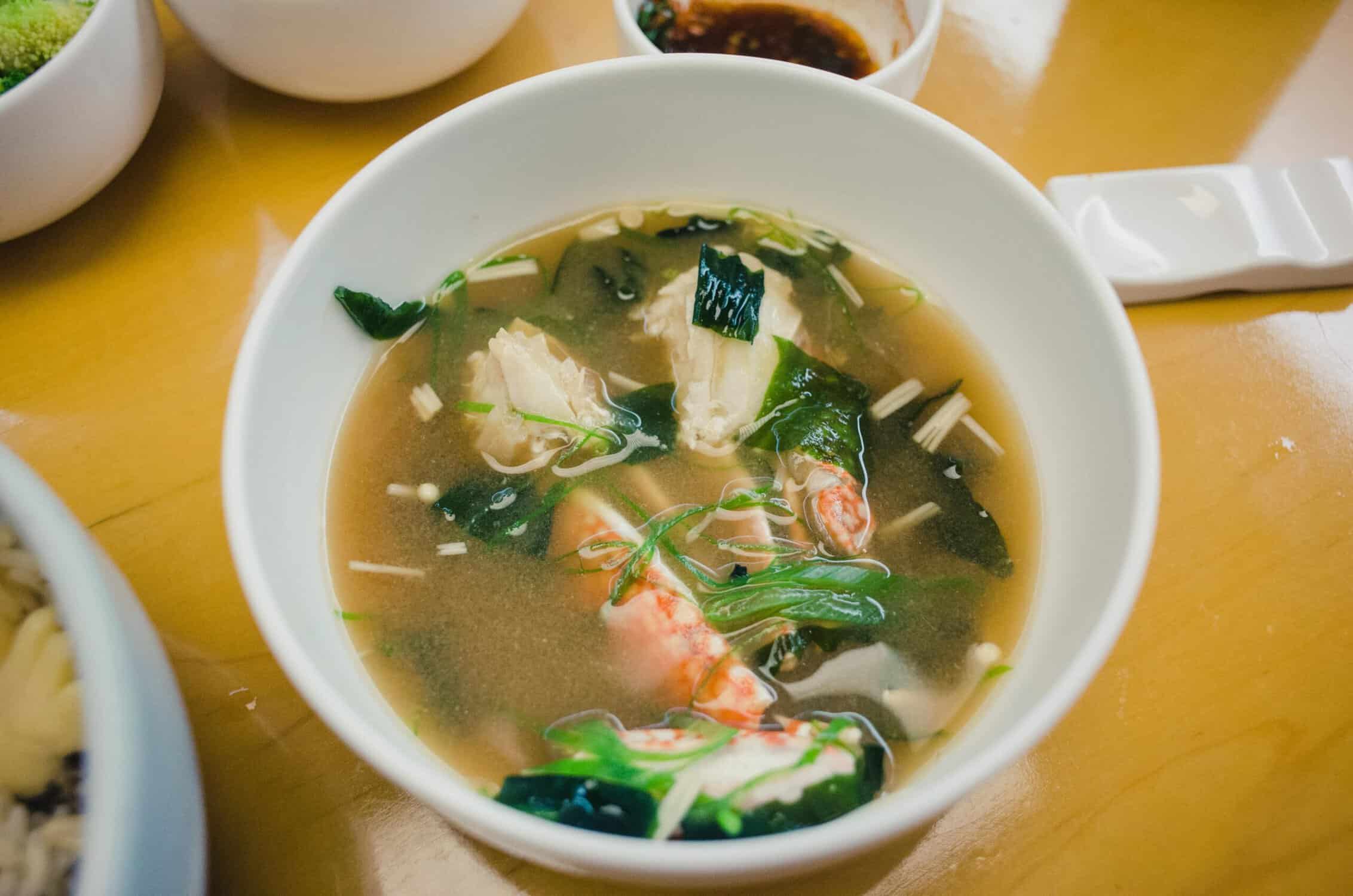
Miso
Stir 1–2 teaspoons into warm (not boiling) water for a quick gut-supporting broth
Add to soups or salad dressings (High heat kills the beneficial microbes — always add miso after cooking.)
These provide beneficial microbes plus protein to stabilise blood sugar.
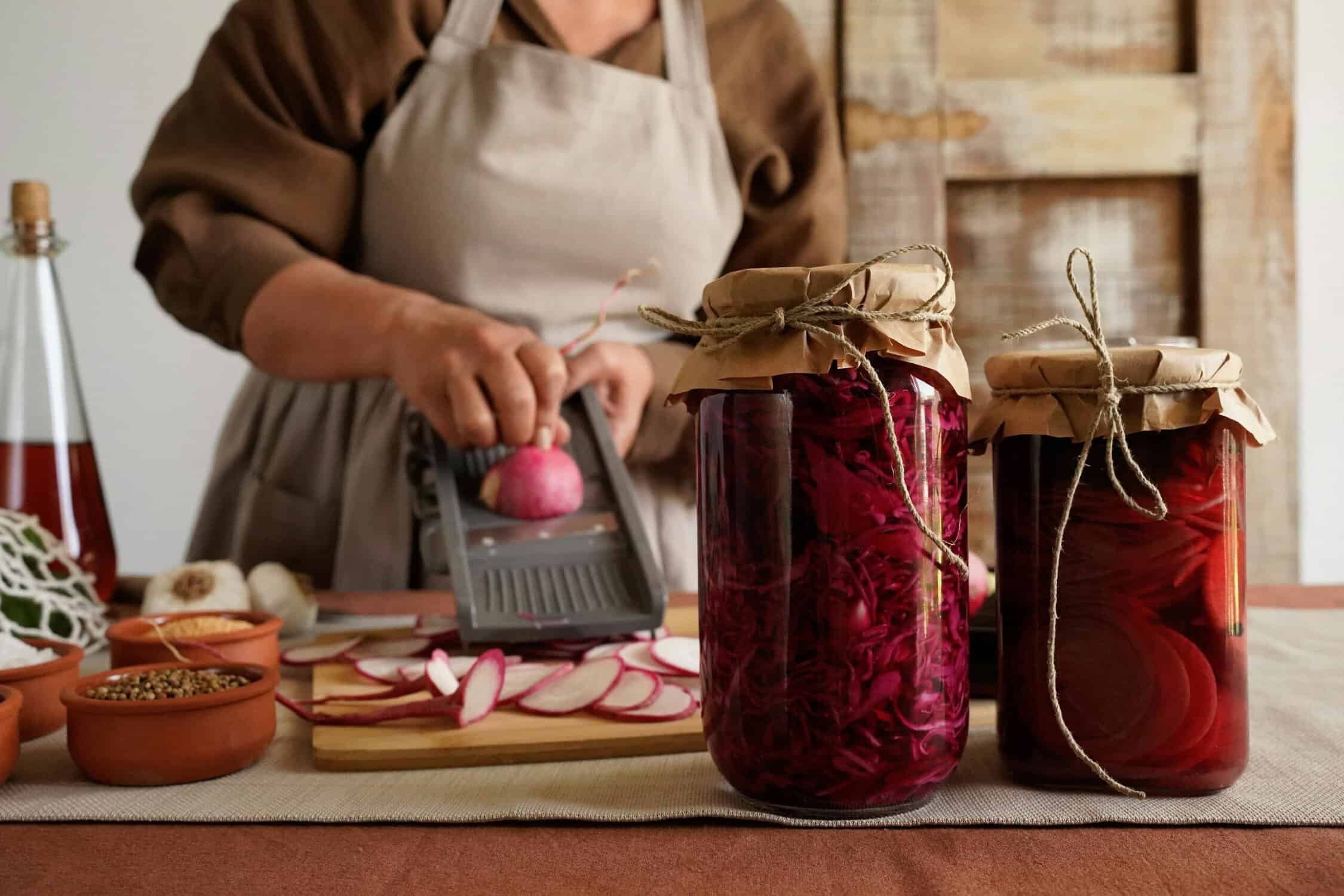
Sauerkraut & fermented vegetables
Add 1–2 tablespoons to meals as a side or condiment
Use it like a digestive aid alongside protein and fats, raw, unpasteurised versions contain the most beneficial bacteria.
Aged cheeses
Include small amounts of parmesan, cheddar, gouda or brie. These contain natural fermentationFermentationFermentation is the process by which gut bacteria break down certain fibres and carbohydrates. This process produces beneficial compounds such as short-chain fatty acids, but excessive fermentation can also contribute to symptoms such as bloating and gas in some individuals. You can read more here: What Fermented Foods Really Do for Your Gut by-products that support the microbiome — but they’re also higher in histamine, so portion size matters.
How much is enough?
ZOE’s research suggests that about 2–3 small servings per day is where benefits begin to appear but that doesn’t mean you need to eat them all at once. Spread them across meals.