
If you’ve ever picked up a packaged food and seen ingredients like polysorbate 80, carboxymethylcellulose, or soy lecithin, you’ve come across food emulsifiers.
They’re extremely common in modern food products—but emerging research suggests some of them may not be as gut-friendly as we once assumed.
Let’s look at what emulsifiers are, why they’re used, and what the science currently says about their impact on the gut wall.
Better digestion and gut microbiome diversity
Participants who boosted their fermented food intake reported feeling less bloated, hungrier less often, and having more energy and better mood — suggesting fermented foods might influence digestive comfort and daily wellbeing.
What Are Food Emulsifiers?
Emulsifiers are additives that help oil and water mix together. Without them, many foods would separate, spoil faster, or have an unpleasant texture.
They’re commonly used in:
Their main job is to improve texture, stability, and shelf life.

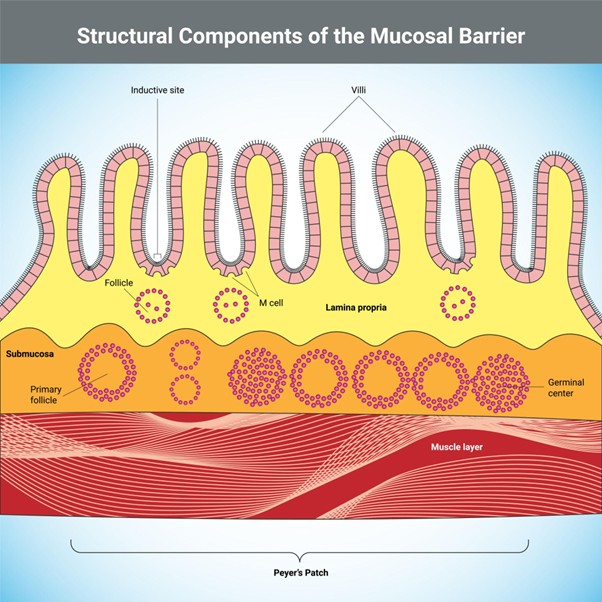
Why the Gut Wall Matters
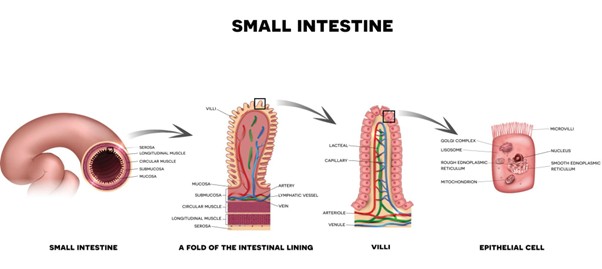
Your gut lining isn’t just a passive tube. It’s a highly selective barrier that:
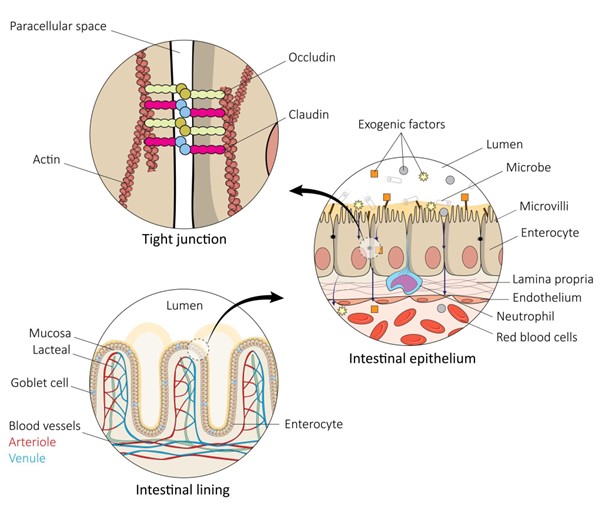
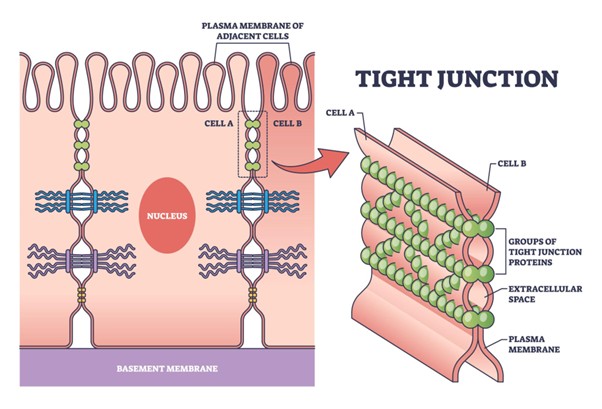
This barrier relies on:
When this system is disrupted, it can lead to increased intestinal permeability—often referred to as “leaky gut.”
What Research Suggests About Emulsifiers
Much of the concern about emulsifiers comes from animal and cell studies over the past decade.
1). They May Disrupt the Mucus Layer
Some emulsifiers appear to thin or degrade the protective mucus coating that lines the intestines.
This mucus normally:
When it’s disrupted, bacteria can move closer to the gut lining, which may trigger inflammation.
2). They May Alter the Gut Microbiome
Certain emulsifiers have been shown in animal studies to:
When it’s disrupted, bacteria can move closer to the gut lining, which may trigger inflammation.
3). They May Increase Gut Permeability
Some studies suggest emulsifiers can:
This combination could contribute to symptoms like:
Which Emulsifiers Are Most Studied?
The strongest concerns currently centre around:
These are commonly used in:

Does This Mean All Emulsifiers Are Harmful?
Not necessarily.
Important points to keep in mind:
Effects may depend on:
Someone with an already sensitive or inflamed gut may be more reactive than someone with a robust microbiome.
Who Might Notice Effects?
In clinical practice, emulsifiers may be more relevant for people who:
Often, it’s not a single ingredient—but the overall load of processed foods—that creates problems.

Practical Takeaways
You don’t need to panic about every emulsifier. But a few simple shifts can reduce exposure:
1). Read ingredient lists
Look for:
2). Reduce ultra-processed foods
Focus more on:
3). Pay attention to your own reactions
Some studies suggest emulsifiers can:
This combination could contribute to symptoms like:
The Bigger Picture
Emulsifiers are just one piece of the gut health puzzle.
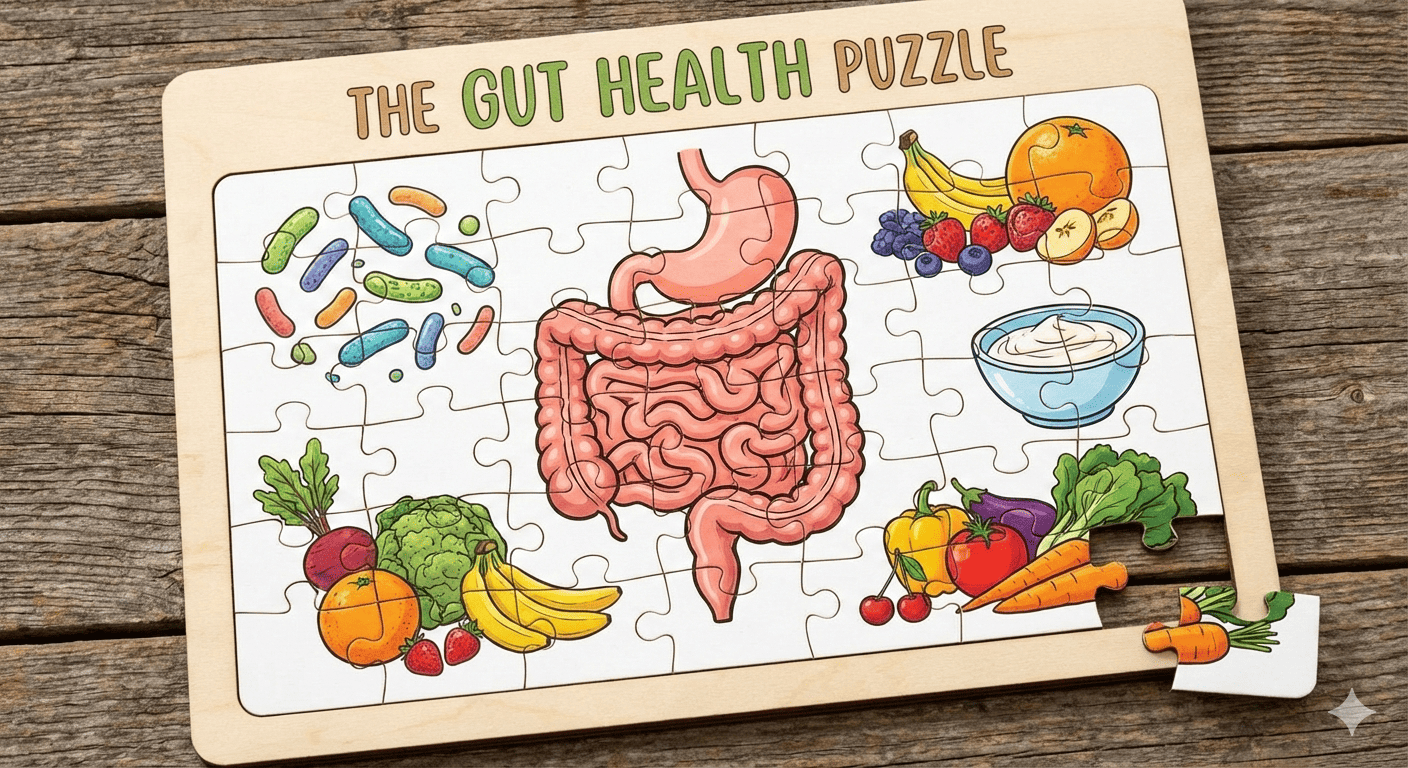
Emulsifiers are just one piece of the gut health puzzle.
For some people, reducing emulsifiers can be a small but meaningful step toward improving symptoms.
A FINAL TIP
The research into food emulsifiers is still evolving, but early findings suggest that certain synthetic emulsifiers may interfere with the gut’s protective barrier and microbiome.
While we don’t have all the answers yet, focusing on less processed, simpler foods is a practical strategy that supports gut health in multiple ways.