Why some digestive issues aren’t “just in your diet” — they might be in your DNA

By Kate Troup — Naturopath | Gut, Genes & Energy Specialist

Most people are told gut issues are caused by stress, food or hormones — and while that’s true for some, many people have a genetically sensitive gut that needs a more tailored approach.

In my clinic, I combine functional gut testing and genetic insights to help uncover why your gut reacts the way it does — so we can use targeted diet, lifestyle and supplement choices instead of random trial-and-error.

This guide introduces four key genes that influence gut function, tolerance to foods, microbiome balance, and inflammation.

Overview: The Four Gut Genes

Gene Area It Influences Practical Impact
FUT2 (Secretor Gene) Microbiome foundation Prebiotic tolerance, microbial resilience, infection risk
SI (Sucrase-Isomaltase) Enzyme digestion Bloating from sugars/starches, IBS-like symptoms
TNFSF15 Immune & inflammatory response Gut sensitivity, IBD risk, stress-food flare-ups
AMY (Amylase genes) Starch digestion & metabolism Carb tolerance, bloating, energy dips

Gene 1: FUT2 — The Microbiome Gatekeeper

“The gene that decides which bacteria can live happily in your gut.”

What it does:

  • Determines whether your body “secretes” protective sugars called oligosaccharides into the gut.

  • These sugars act as food and welcome signals for beneficial gut bacteria.

  • Influences gut immunity and colonisation of healthy microbes like Bifidobacteria and Akkermensia.

If FUT2 is less active, you may:

  • React to garlic, onions, leeks, artichokes, legumes

  • Struggle with sudden increases in prebiotic fibre

  • Have more recurrent gut infections or overgrowths (e.g., SIBO, Candida)

  • Experience IBS-like symptoms without a clear trigger

Supportive Approaches:

  • Introduce prebiotic fibre slowly and strategically

  • Choose probiotics carefully—avoid “one-size-fits-all” formulas

  • Focus on gut barrier support (Vitamin A, zinc, glutamine, protein)

  • Consider microbiome testing before supplementing heavily

  • Consider supplementing with targeted prebiotic 2′-fucosyllactose (2′-FL) – also called HMO

Gene 2: Sucrase-Isomaltase (SI) — The Sugar & Starch Break-Down Gene

When sugars and starches aren’t broken down properly — they ferment in the gut, not feed your body.’

What it does:

  • Produces enzymes to digest sucrose (table sugar) and certain starches.

  • If less active, sugars and starches reach the colon undigested — leading to fermentation, gas and bloating.

Common Clues of SI Variants:

  • Bloated or crampy after fruit, juice, lollies, ice cream

  • IBS-like symptoms after bread, pasta, flour-based foods

  • Feel “6-months-pregnant” after desserts or starchy meals

  • Feel better on lower-carb or “whole food” meals

  • Symptoms improve when carbs are spaced out (not all at once)

Supportive Approaches:

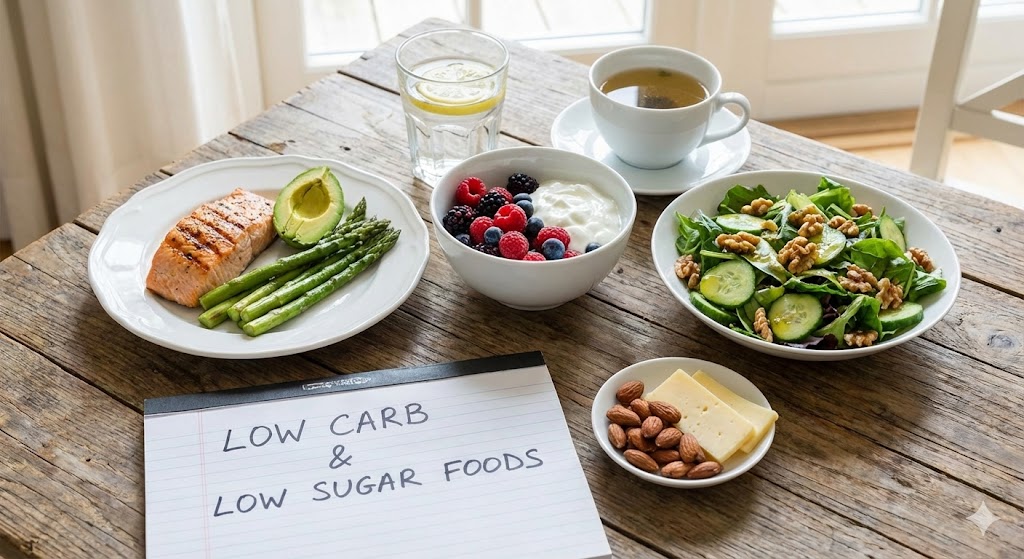
  • Focus on slow carbs, lower sugar, whole food options

  • Pair carbs with protein/fat to ease blood sugar impact

  • Try small portions of starch rather than one big load

  • Enzyme support may help—but only if matched to your genes

Gene 3: TNFSF15 — Gut Inflammation & Immune Response

“Why some people’s guts overreact to stress, foods, or infections.”

What it does:
  • Regulates inflammatory responses in the gut.

  • Influences risk for IBS, IBD (Crohn’s, ulcerative colitis) in some.

  • Doesn’t cause disease but increases reactivity and sensitivity.

See this pattern often?

Red Flags

  • Flare-ups triggered by stress or certain foods

  • Gut reacts strongly to alcohol, NSAIDs, processed foods

  • History of “inflammation without infection”

Feels better with anti-inflammatory diet:

  • Symptoms swing between good and bad days

  • Sensitive to gut “irritant” foods

  • Feels better with anti-inflammatory diet

Supportive Approaches:

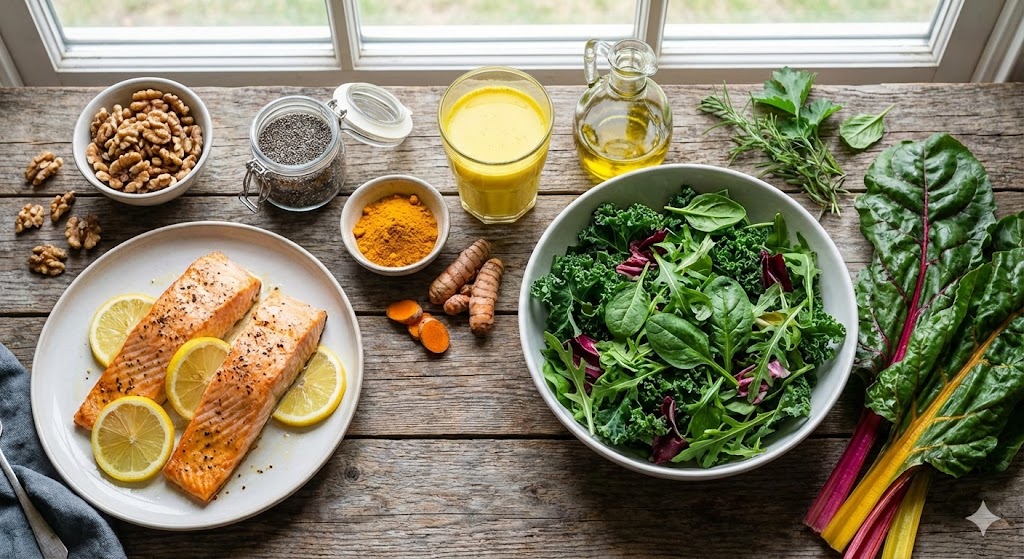
  • Load up on gut-calming foods: omega-3s, turmeric, leafy greens

  • Reduce inflammatory triggers (ultra-processed foods, excess alcohol, fried foods)

  • Support gut lining: collagen, glutamine, bone broth, zinc

  • Stress management = gut management

Gene 4: AMY (Amylase Genes) — Starch & Carbohydrate Tolerance

Why some people feel great on carbs — and others crash, bloat, or gain weight.

What it does:

  • Control how much amylase enzyme you make (mostly AMY1).

  • Amylase helps break down carbs and starches starting in the mouth.

You can have:

  • Higher AMY1 → good starch tolerance, but possible blood sugar swings

  • Lower AMY1 → more bloating, heaviness, energy dips after carbs

Low AMY1—Common Signs:

  • Feel heavy after rice/pasta/bread

  • Low energy a couple of hours after carb-heavy meals

  • Carbs “stick to your waistline” more

Helpful Strategies:

  • Balance each meal: Protein + Fat + Fibre + Carbs

  • Chew mindfully (carb digestion begins in the mouth)

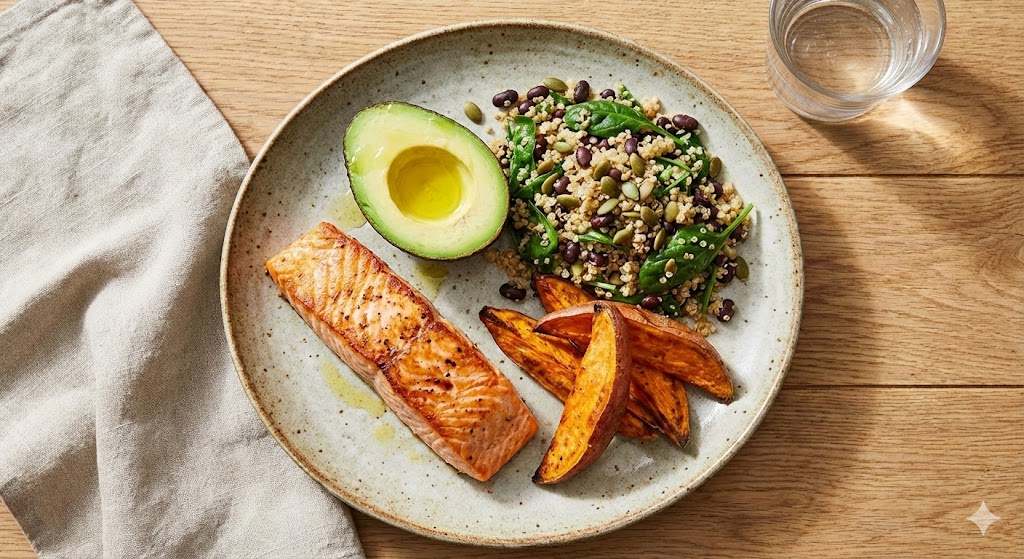
  • Choose slow carbs: potatoes (with skin), oats, basmati rice, buckwheat

  • Pair carbs with cinnamon, protein or fibre to reduce spikes

Your Genes Are Not Your Destiny

Genes don’t dictate your future.

They simply explain your patterns — so you can make smarter choices.

Understanding your gut genes helps answer questions like:

  • “Why do certain healthy foods make me feel worse?”

  • “Why do I react when others don’t?”

  • “Why haven’t gut protocols, probiotics, or diets worked for me?”

Want to explore your genes?


This is exactly what I help clients with in my Gut & Genes consultations.

We look at your individual patterns — not just symptoms — through:

Targeted functional testing (gut, microbiome, enzyme function)

Comprehensive gene analysis (FUT2, SI, AMY, MTHFR, inflammation, detox)

Practical, personalised diet & supplement guidance

A step-by-step plan based on your biology — not Google

If you’d like to know how your gut really works

book a consultation or request more information.