
Microplastics: the invisible toxins now inside us — what you need to know
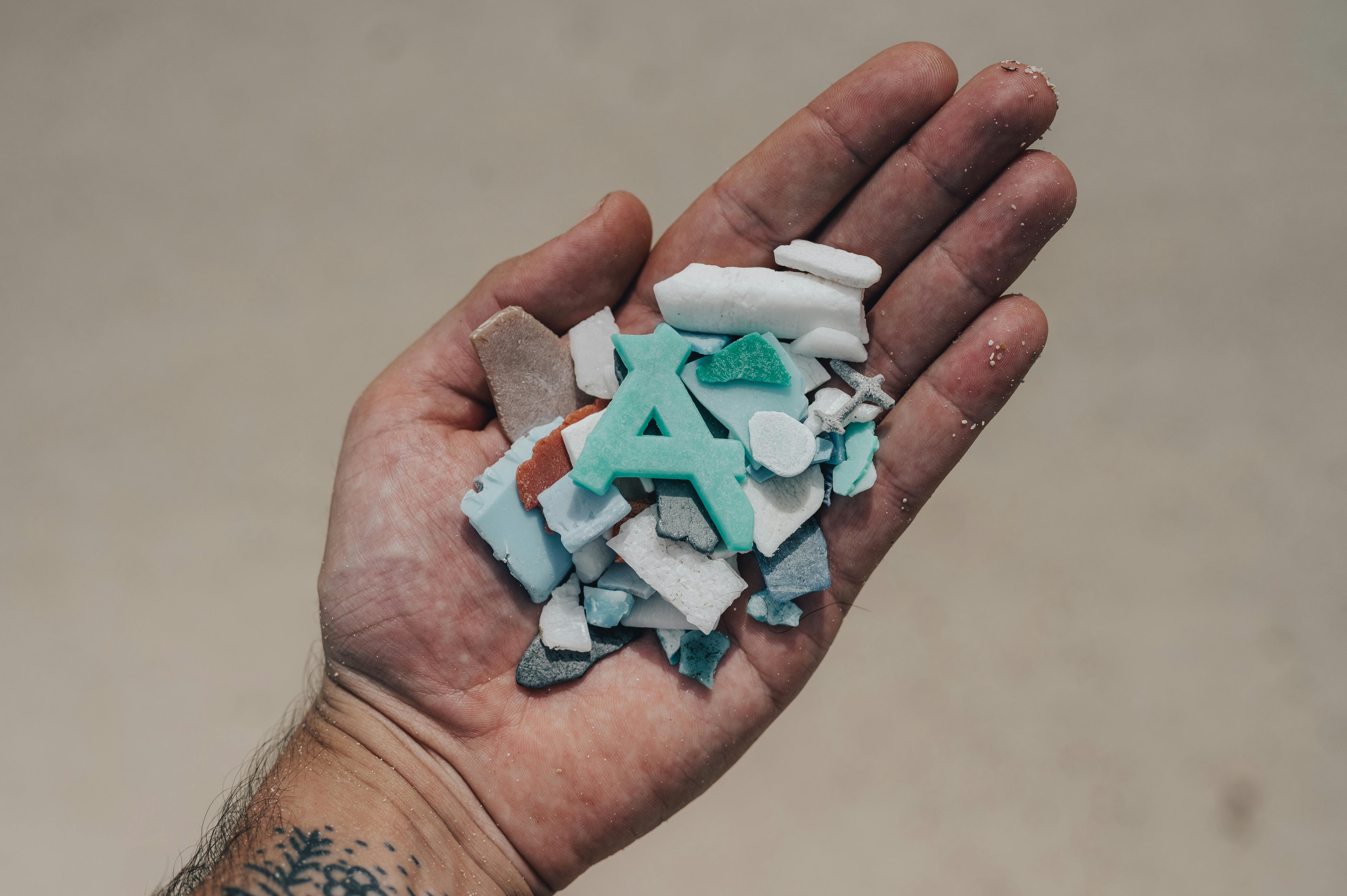
Microplastics — once thought to be an environmental issue only — are now being found inside the human body: in blood, lungs, digestive organs, and even the brain.
Although research is still evolving, early signs suggest they may impact gut health, energy, hormones, fertility, liver detoxification, and long-term immune function.
In this article, I’ll help you understand:
Where Are Microplastics Hiding?
Microplastics are tiny particles of plastic — often invisible to the eye. Many are small enough to cross biological barriers, including the gut, blood vessels, and even the brain.
They commonly enter your body through your:
| Everyday Source | How Microplastics Get In |
|---|---|
| Drinking water (tap & bottled) | Plastic shedding from pipes, bottles, filters |
| Food packaging & microwaving in plastic | Heat accelerates plastic particle release |
| Synthetic clothing (polyester, nylon) | Fibres released into air, lungs, and skin |
| House dust & furnishings | Plastic fibres shed from carpets, bedding, couches |
| Artificial turf, car tyres & urban air | Friction releases plastic into the air |
| Kitchen plastics (cling wrap, utensils) | Leaches into food when heated or scratched |
Why They Matter for Your Health
The smaller the particle, the deeper it can go.
Many microplastics carry endocrine-disrupting chemicals (like BPA & phthalates) that may interfere with:
How to Reduce Exposure
Rethink Clothing & Household Fibres
In the Kitchen
Choose Safer Water
Support Your Body’s Natural Detox
Your body is designed to eliminate environmental toxins — when given the right support.
| Support Area | How It Helps |
|---|---|
| Soluble fibre (plants, legumes, vegetables) | Binds and carries toxins out through stool |
| Cruciferous vegetables, berries, herbs | Antioxidant protection against inflammation |
| Adequate minerals (zinc, selenium, magnesium) | Supports liver detox enzymes |
| Healthy gut lining | Reduces toxin absorption |
| Hydration, sleep, movement | Supports lymphatic and cellular clearance |