We’re all exposed to microplastics — in food, water, cosmetics, even the air we breathe. These tiny plastic particles don’t just pass harmlessly through the body. They can trigger inflammation, disrupt hormones, interfere with cell function, and place a major burden on our detoxification systems.
Why do some people feel fatigued, inflamed, puffy or foggy from this exposure — while others seem fine?
Your genes play a major role.
Your genetic blueprint determines how efficiently your body can neutralise, process and eliminate the toxins carried by microplastics. Let’s look at the three most important genes that influence your body’s response.
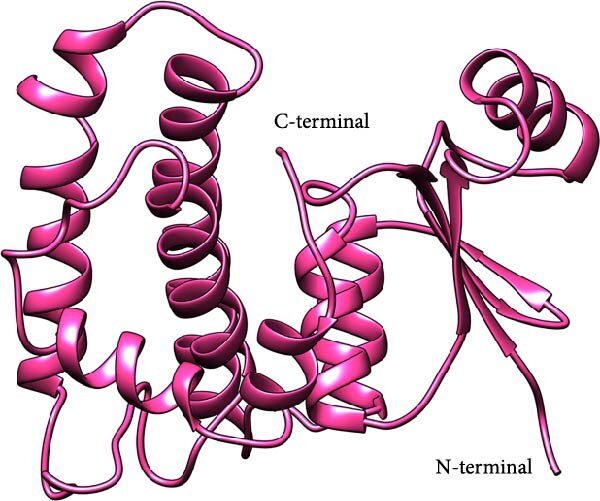
GST Genes — Your Glutathione Engines
GST (Glutathione-S-Transferase) genes regulate your ability to make and recycle glutathione — often called your master antioxidant and detoxifier.
Why it matters for microplastics:
Microplastics carry harmful substances like BPA, heavy metals, phthalates, flame retardants and pesticides. These toxins create oxidative stress and inflammation.
Common symptoms of GST genetic weakness:
If your GST genes are impaired (GSTT1 or GSTM1 deletions), your body struggles to:
How we support it:
Glutathione precursors, sulforaphane-rich foods (broccoli sprouts), NAC, selenium, brassica vegetables, and personalised detox protocols.
NQO1 — The Cellular Shield
NQO1 (NAD(P)H Quinone Dehydrogenase) is a key detoxifying enzyme that helps protect your cells from oxidative damage — especially from environmental chemicals.
When NQO1 is genetically slow, you may:
• Produce less CoQ10 (important for energy and cell repair)
• Be more sensitive to toxins carried by microplastics
• Experience more oxidative stress and mitochondrial inflammation

People with NQO1 variations often describe things like:
Where microplastics cause trouble:
Microplastics are now being found in lung tissue, placental tissue and even the bloodstream. Without strong cellular defence, your body struggles to repair and protect these tissues.
How we support it:
Glutathione precursors, sulforaphane-rich foods (broccoli sprouts), NAC, selenium, brassica vegetables, and personalised detox protocols.
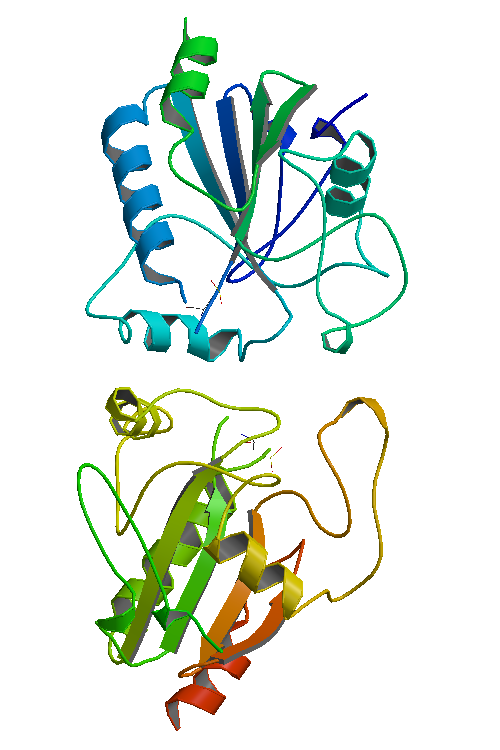
GPX Genes -Your Anti-Inflammatory Fire Extinguishers
GPX (Glutathione Peroxidase) genes help reduce the inflammation and oxidative stress caused by toxins — including microplastics.
Think of GPX as your cellular fire extinguisher, controlling inflammatory reactions before they become damaging.
Common symptoms of GST genetic weakness:
Why it matters for microplastics:
Microplastics can irritate the gut lining, lungs and immune system, triggering chronic low-grade inflammation. If your GPX gene is sluggish, that inflammation lingers, leading to:
How we support it:
Selenium, vitamin E, zinc, omega-3s, glutathione-building protocols, anti-inflammatory nutrition plans.
So, Can You Detox Microplastics Effectively?
Some people can — if their genes give them strong glutathione production, antioxidant capacity, efficient cellular repair and inflammatory control.
Others — especially those with GST, NQO1 or GPX gene variations — will feel the effects more intensely: fatigue, fogginess, skin flare-ups, gut irritation or unexplained “chemical sensitivity.”
The good news? These genes can be tested, mapped, and supported through personalised nutrition, supplements and lifestyle strategies.
How I work with these genes in clinic?
I don’t just look at symptoms — I decode how your body responds to environmental stressors at a genetic level.
What we uncover with testing:
Want to Know How Your Detox Genes Are Coping?
I offer Smart DNA and Microba testing to assess exactly how your body handles toxins, plastics, inflammation and cellular stress.
If you’re experiencing unexplained fatigue, skin irritation, brain fog, bloating or chemical sensitivity — your genes may hold the answer.